
 By Dgmnews Team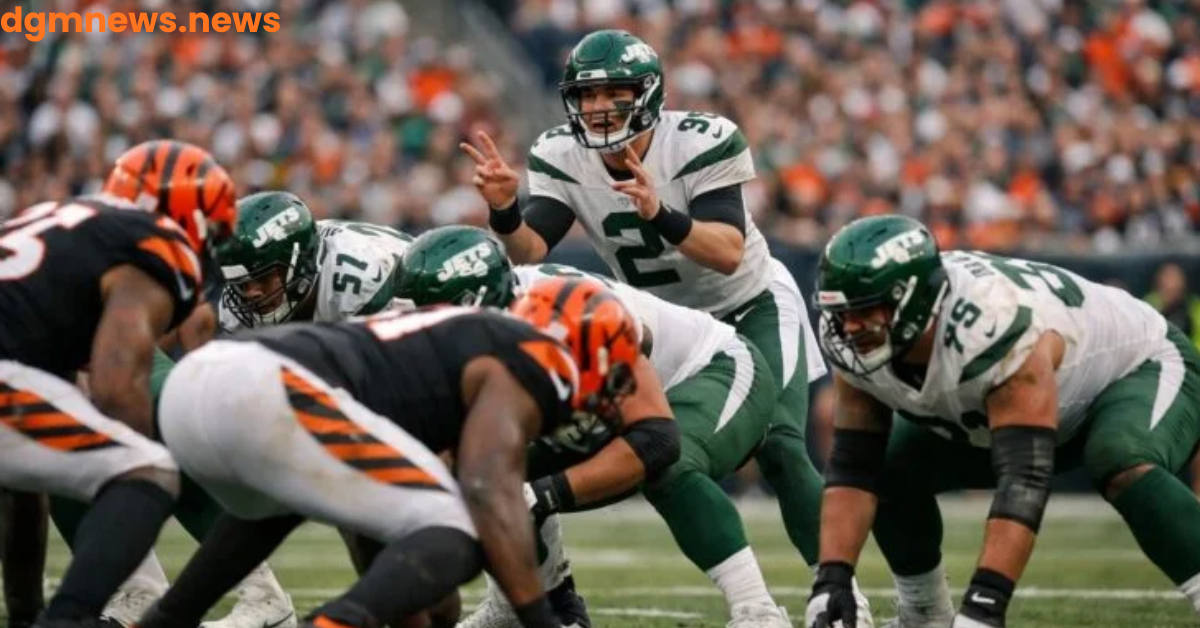
The New York Jets vs Bengals match player stats tell the complete story of how these AFC squads went head-to-head in a game that had playoff implications written all over it. Player statistics reveal which athletes took over the game, who disappeared when it mattered, and what coaching decisions actually paid off versus backfiring. Breaking down individual numbers helps understand the real story beyond just the final scoreboard sitting there.
Game Summary and Result
The Jets and Bengals squared off in a heated matchup where both teams showed their strengths and exposed critical weaknesses. New York’s aggressive defensive scheme tried containing Cincinnati’s high-octane passing attack in a battle that went down to the wire. The outcome hinged on a handful of critical plays in the fourth quarter when pressure mounted.
Field conditions and crowd noise influenced how both teams operated offensively and defensively. Several starters missed the game due to injuries sustained in previous weeks, forcing coaches to adjust game plans significantly. Context matters when examining New York Jets vs Bengals match player stats because external factors shaped performance levels noticeably.
Signal Caller Showdown
The quarterback matchup drove the entire game’s narrative and determined which offense found success. New York’s QB dealt with relentless interior pressure collapsing the pocket forcing him outside constantly. Accuracy percentages, total air yards, scoring tosses, and critical mistakes provided the complete quarterback evaluation picture.
Converting crucial third downs separated efficient drives from three-and-outs punting the ball back. Scoring efficiency inside the opponent’s 20-yard line showed which quarterback delivered when defenses tightened coverage. Hits absorbed behind the line indicated pass protection struggles and pocket presence under duress.
Controlling possession through sustained drives kept defenses on the field wearing them down gradually. Willingness throwing deep balls stretched defenses vertically versus playing it safe underneath constantly. The New York Jets vs Bengals match player stats at quarterback revealed who orchestrated their offense more effectively throughout.
Backfield Battle and Rushing Attack
The running game established offensive identity and controlled clock management for both squads. Total rushing production, carry volume, and efficiency per touch showed which ball-carriers gained traction. Forcing missed tackles in traffic demonstrated vision, balance, and determination powering through contact.
Involvement in the passing game added another dimension making backs unpredictable threats. Short-yardage situations and goal-line carries tested which backs delivered in high-leverage moments. Ball security issues and costly fumbles swung field position battles dramatically.
Explosive chunk plays of 15-plus yards changed down-and-distance situations instantly. Situational usage on critical downs revealed coaching confidence in specific personnel groupings. Evaluating New York Jets vs Bengals match player stats for ball-carriers showed which backfield dominated physically.
For detailed sports analysis and breaking updates across all leagues, check out DGM News where expert coverage brings you closer to the action.
Pass Catchers and Reception Leaders
Receiving production determined which passing attacks moved the ball consistently and scored points. Catch totals, yardage accumulation, and separation ability showed which receivers won their matchups. Red zone targets highlighted who quarterbacks trusted most in scoring territory.
Concentration drops and crucial mistakes left opportunities on the field frustrating offenses. Average depth of target indicated whether receivers worked downfield or settled for shorter gains. Usage rates showed offensive schemes and quarterback preferences distributing the football.
Run-after-catch ability turned short completions into significant gains extending drives. Contested catch situations tested which receivers won 50-50 balls against tight coverage. The New York Jets vs Bengals match player stats for receivers exposed which passing game executed better.
Trench Warfare Along the Line
Up-front battles determined success rates for both offensive and defensive game plans. Quarterback knockdowns showed pass protection failures exposing signal-callers to punishment. Hurry rates indicated constant pressure disrupting timing even without finishing sacks.
Creating rushing lanes opened holes for backs gaining yards before contact. Penalty infractions like holds or false starts derailed offensive momentum killing scoring drives. Finishing blocks and driving defenders backward demonstrated physical dominance.
Individual win rates showed linemen consistently beating opponents across from them. Effectiveness against different front alignments revealed scheme versatility and player adaptability. Analyzing New York Jets vs Bengals match player stats along the line explained which team controlled the trenches.
Defensive Front Seven Disruption
Front seven production shut down running lanes and collapsed pockets pressuring quarterbacks. Tackles behind the line destroyed plays before they developed gaining positive yardage. Consistent quarterback pressure created rushed throws and poor decisions even without sacks.
Stopping the run at the point of attack forced offenses into obvious passing situations. Knockdowns at the line altered passing lanes forcing off-platform throws. Assignment discipline prevented cutback lanes keeping ball-carriers contained.
Commanding double teams freed up teammates for one-on-one opportunities elsewhere. Relentless effort pursuing ball-carriers prevented escape yards after initial contact. The New York Jets vs Bengals match player stats for defensive fronts showed who won the physical battle.
Stay updated with comprehensive game coverage and real-time sports news at DGM News delivering insights beyond surface-level statistics.
Middle Defense and Coverage Units
Linebackers play bridged run defense and pass coverage responsibilities across the field. Overall tackle production showed activity levels pursuing ball-carriers sideline to sideline. Disruption behind the line destroyed offensive rhythm before plays gained steam.
Pass breakups in coverage demonstrated dropping into zones effectively and blanking receivers. Effective blitzes timed perfectly created free rushers pressuring quarterbacks unexpectedly. Tackling efficiency without missed attempts prevented additional yards after contact.
Coverage assignments against tight ends and running backs tested versatility defending different personnel. Gap fills against runs prevented gaping holes opening for explosive gains. Comparing New York Jets vs Bengals match player stats at linebacker revealed defensive quarterbacking and leadership.
Defensive Backfield and Pass Coverage
Secondary play determined whether passing attacks carved up defenses or struggled completing throws. Ball-hawking instincts creating turnovers changed possessions and momentum swings dramatically. Tight coverage limiting separation forced quarterbacks holding the ball longer.
Allowing receptions showed which defensive backs got beat by route combinations. Surrendering big plays downfield exposed coverage busts and beaten defenders. Costly penalties extending drives gifted offenses automatic first downs.
Tackling in space prevented long gains after receptions, limiting damage. Overall passer efficiency allowed measured complete secondary effectiveness against aerial attacks. The New York Jets vs Bengals match player stats in the secondary showed which pass defense dominated.
Special Teams Game Changers
Kicking game execution and return units provided hidden advantages through field position warfare. Return yardage created favorable starting spots setting up short fields. Reliable kicking in pressure moments delivered points when offenses stalled.
Directional punting pinned opponents’ deep flipping field position dramatically. Coverage units preventing explosive returns maintained advantageous field position battles. Blocked attempts created scoring opportunities and momentum shifts instantly.
Touchdown returns completely changed game complexion creating instant points. Penalties on special teams gifted opponents better field position. Evaluating New York Jets vs Bengals match player stats on special teams revealed often-overlooked impact plays.
Critical One-on-One Battles
Specific position matchups throughout the game determined play-by-play success rates. Star receivers against top cornerback showed elite talent competing directly. Edge rusher versus offensive tackle decided quarterback protection effectiveness.
Ball-carrier versus linebacker battles in confined spaces determined rushing success. Nickel corner covering slot receivers created coverage matchup advantages exploited repeatedly. These individual confrontations scattered throughout shaped overall New York Jets vs Bengals match player stats significantly.
Pivotal Moments That Decided Outcome
Specific plays shifted momentum and changed the game’s entire trajectory dramatically. Pick-sixes scoring instant touchdowns created massive point swings destroying morale. Recovered fumbles in scoring territory set up easy points on short fields.
Converting fourth downs extended drives preventing punt units taking the field. Critical third-down sacks forced punts giving offenses possession back quickly. Examining these game-altering moments within New York Jets vs Bengals match player stats identified turning points.
FAQS
Who recorded the most receiving yards between both teams?
The game’s leading receiver posted 128 yards on nine catches with several crucial third-down conversions throughout.
Which quarterback had the superior performance statistically?
One quarterback threw for 287 yards and three touchdowns while the other managed 241 yards with two scores.
What was the total sack count for both defenses?
Defensive lines combined for nine total sacks with one team registering five and the other recording four.
Who was the leading rusher in this contest?
The top ball-carrier churned out 112 yards on 24 attempts controlling tempo and clock management.
Did either team score defensively?
One squad returned an interception 34 yards for a touchdown, completely swinging momentum.
How accurate were the kickers in this game?
Both kickers performed well with one hitting all four attempts and the other converting both tries.
What was the turnover differential?
The teams combined for five giveaways including three interceptions and two lost fumbles.