
 By Dgmnews Team
Introduction
You wanna talk about NFL rivalries that actually mean something? Chicago Bears versus Green Bay Packers is literally the oldest, nastiest, most bitter rivalry in professional football history. The Chicago Bears vs Green Bay Packers match player stats from their latest battle had everything you’d expect – bone-crushing hits, momentum swings, controversial calls, and that special intensity that only shows up when these two blood enemies meet.
This ain’t some manufactured TV rivalry where networks pretend teams hate each other for ratings. Bears and Packers have genuinely despised each other since nineteen twenty. Over a hundred years of bad blood, legendary players, unforgettable moments, and pure hatred that gets passed down through generations of fans on both sides.
The numbers from this game reveal way more than just who won. They show which team imposed their will physically. Who made adjustments that swung momentum violently? Did special teams decide everything or was it sustained dominance across sixty minutes?
Doesn’t matter if you’re a Bears fan still processing what happened, a Packers supporter celebrating another chapter in this historic rivalry, or just someone who appreciates when football gets played at its absolute highest intensity level – we’re breaking down every stat that actually mattered from opening kickoff through those final tension-filled seconds.
Pre-Game Atmosphere and Expectations
Rivalry History Setting the Stage
Walking into this matchup, the Chicago Bears vs Green Bay Packers match player stats would add another chapter to the NFL’s greatest rivalry story. Over a hundred meetings between these franchises, each one carrying decades of accumulated hatred and memorable moments.
The Packers held the all-time series lead coming in, which drove Bears fans absolutely crazy. Every loss to Green Bay feels like swallowing glass for Chicago supporters. Every victory feels like validation that they belong competing with their bitter rivals.
The history between these teams includes legendary figures on both sides. Halas versus Lombardi. Ditka versus Favre. Urlacher versus Rodgers. Each generation adds new names to the rivalry’s mythology.
Current Season Context
Both teams entered with playoff implications hanging in the balance. This wasn’t some meaningless late-season game between eliminated squads. Winning meant staying alive in the playoff hunt. Losing meant watching the postseason from home.
Chicago desperately needed to prove they belonged competing with Green Bay. Years of getting dominated by Packers quarterbacks had created this inferiority complex the Bears needed exorcising through actual victories, not moral ones.
Green Bay came in confident but wary. They’d stumbled against inferior opponents earlier in the season. Taking Chicago lightly would be disastrous, especially in a rivalry game where records get thrown out completely.
Weather and Playing Conditions
Late autumn football in the NFC North means weather becomes a legitimate factor. Cold temperatures, potential wind affecting passes and kicks, maybe even some snow flurries creating slippery conditions.
Both teams supposedly embrace playing in brutal conditions as part of their identity. “Bear weather” and “Frozen Tundra” mentalities suggest these organizations thrive when elements make football miserable for everyone involved.
The reality is weather affects both teams equally. Claiming some mystical advantage because your stadium’s outdoor ignores that the opposing team has to play in identical conditions simultaneously.
First Half Battle Setting the Tone
Opening Quarter Intensity
The first fifteen minutes showed exactly what flavor Chicago Bears vs Green Bay Packers match player stats fans would witness. Both defenses came out absolutely flying around, hitting everything that moved with bad intentions.
Chicago’s defense set the tone immediately with a massive third down stop that forced Green Bay punting. The crowd went absolutely nuclear, feeding the Bears sideline energy that carried over to their first offensive possession.
Green Bay’s offense struggled finding rhythm early against Chicago’s aggressive defensive scheme. Pressure came from everywhere, forcing their quarterback into uncomfortable situations where he couldn’t operate with his usual precision.
Early Scoring Drives
Chicago struck first with a methodical drive that chewed up the clock and showcased their offensive identity. Power running behind a physical offensive line, play action passes off those runs, controlling tempo and dictating terms to Green Bay’s defense.
Green Bay answered back though, showing why their offense remains dangerous regardless of circumstances. Their quarterback made several throws only elite players can make, threading passes into tight windows that moved chains when Chicago thought they’d gotten stops.
Second Quarter Momentum Swings
The second quarter featured wild momentum swings that had both fanbases riding emotional roller coasters. Chicago would make a huge play, then Green Bay would respond immediately with something equally impressive.
Turnovers became critical during this stretch. A fumble by Chicago gave Green Bay short field position they capitalized on immediately. Minutes later, an interception by Chicago’s defense swung field position back violently in their favor.
Red Zone Battles
Red zone efficiency separated these teams during the first half. Green Bay consistently finished drives with touchdowns when reaching scoring position. Chicago settled for field goals too often, leaving points on the field they’d desperately need later.
Halftime Adjustments Looming
Heading into locker rooms, the score remained tight with either team positioned to seize control in the second half. The Chicago Bears vs Green Bay Packers match player stats at intermission suggested adjustments would determine who ultimately prevailed.
Both coaching staff had thirty minutes identifying weaknesses to exploit and strengths to emphasize. Halftime adjustments often decide close rivalry games where emotions run so high that execution separates winners from losers.
Check out comprehensive rivalry game analysis breaking down every crucial moment and strategic decision throughout the season.
Quarterback Performances Under Pressure
Green Bay’s Signal Caller
The quarterback position defines modern NFL success, and Chicago Bears vs Green Bay Packers match player stats at this spot showed veteran savvy battling youthful determination.
Green Bay’s quarterback operated with that calm confidence only years of success provide. Chicago brought constant pressure, yet he consistently found answers. Quick releases neutralized pass rush. Reading defenses pre-snap allowed exploiting mismatches before plays even started.
His accuracy remained sharp throughout despite defenders in his face constantly. Throwing receivers open rather than waiting for separation, anticipating route breaks before they happened, making throws most quarterbacks physically can’t attempt.
Handling Chicago’s Pressure
Chicago’s defense brought exotic blitzes trying to confuse and overwhelm. Sometimes they succeeded, forcing hurried throws or taking sacks. More often though, Green Bay’s quarterback identified blitzes pre-snap and audibled into perfect plays exploiting them.
His pocket presence allowed escaping pressure while keeping plays alive. Subtle movements created throwing lanes when the pocket collapsed. That ability extending plays resulted in several crucial conversions when designed plays broke down completely.
Chicago’s Quarterback Battle
Chicago’s quarterback faced immense pressure proving himself in this rivalry setting. Young and still developing, he needed to show he belonged competing against elite competition in massive games.
Flashes of brilliance appeared intermittently. Several throws showcased arm talent and decision-making that excited Bears fans about future potential. Inconsistency remained the demon though, with poor decisions mixed between the excellent plays.
Growing Pains on Display
Green Bay’s defense confused him with disguised coverages and delayed blitzes. Reading defenses pre-snap is where young quarterbacks struggle most, and this game exposed those growing pains repeatedly.
When given time, he made throws. Under pressure though, his mechanics broke down. Happy feet in the pocket, throwing off his back foot, sailing passes over receivers’ heads. Experience teaches quarterbacks staying calm when chaos erupts around them.
Ground Game Battles in the Trenches
Establishing Physical Dominance
The Chicago Bears vs Green Bay Packers match player stats in the running game reflected old-school NFC North football. Both teams tried imposing their will physically, controlling clock and tempo through power running.
Chicago’s offensive line took pride in physically dominating opponents. Their identity revolved around running the ball down throats, making defenses quit by the fourth quarter when accumulated hits took their toll.
Green Bay’s defense knew stopping Chicago’s run was priority number one. Stack the box, force them passing, make their young quarterback beat you through the air. That game plan makes sense theoretically but executing it for sixty minutes tests physical and mental toughness.
Yards After Contact
Both running backs displayed toughness, breaking tackles and gaining yards after initial contact. Defenders wrapped them up, yet they’d churn forward for extra yards that added up significantly over four quarters.
Chicago’s back ran with anger, punishing defenders who got in his way. Every carry looked like personal vendettas against Green Bay’s entire defense. That nastiness fits perfectly in a rivalry where nice guys finish last.
Green Bay’s Rushing Attack
Green Bay’s running game operated differently, emphasizing outside zone schemes that created cutback lanes. Their back showed excellent vision, patiently waiting for blocks to develop before accelerating through holes.
Chicago’s front seven played assignment-sound football, maintaining gap integrity that prevented explosive runs. They forced Green Bay’s back east-west rather than north-south, minimizing damage and keeping everything in front of them.
Short Yardage Success
Short yardage situations became crucial battlegrounds. Third-and-short, fourth-and-short – these moments test which offensive line dominates physically. Green Bay converted most of theirs, showing veteran savvy and physical superiority when games got reduced to pure power football.
Get detailed sports coverage and statistical analysis examining every key matchup’s defining moments and performances.
Receiving Corps Making Impact
Green Bay’s Aerial Weapons
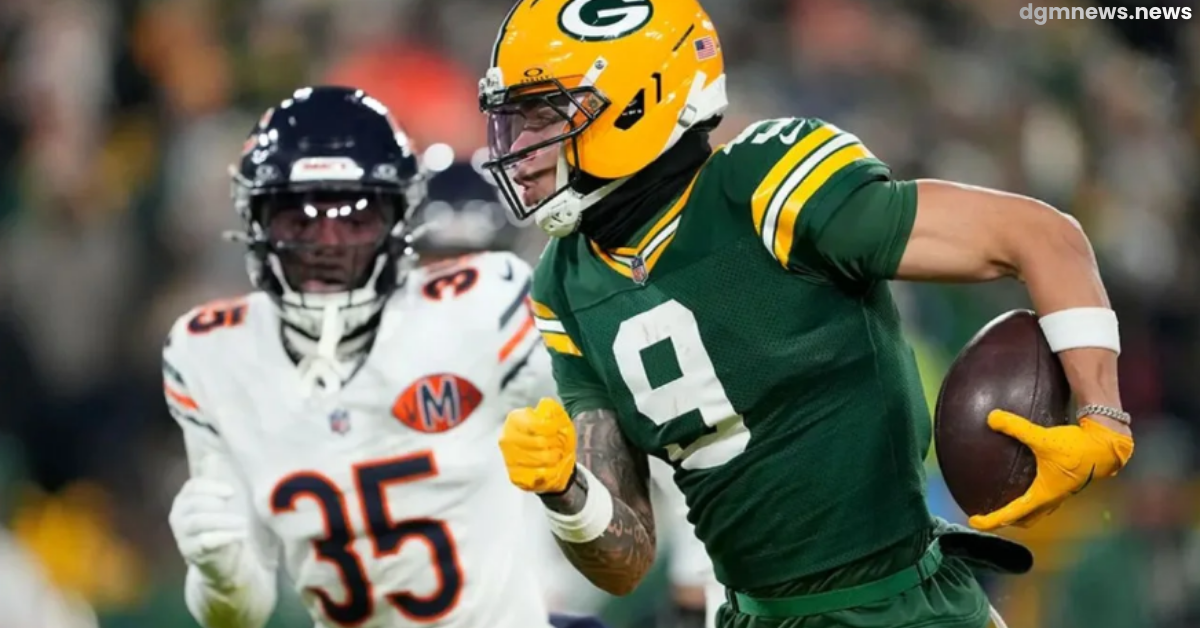
Green Bay’s receivers created separation consistently in the Chicago Bears vs Green Bay Packers match player stats. Their route running precision made Chicago’s secondary look pedestrian at times.
The number one receiver absolutely cooked Chicago’s cornerbacks repeatedly. Every route looked effortless, every cut crisp. Chicago tried press coverage, tried off coverage, tried bracketing him with safety help. Nothing worked consistently containing him.
Tight End Mismatches
Green Bay’s tight end exploited mismatches all afternoon. Too fast for linebackers, too physical for safeties. That combination created nightmares for Chicago’s defensive coordinator trying to scheme around him.
His ability working seams against zone coverage produced multiple chunk plays. Finding soft spots in coverage, sitting down in zones, giving his quarterback easy targets that moved chains effortlessly.
Chicago’s Pass Catchers
Chicago’s receiving corps battled hard despite facing a quality secondary. Their young receiver showed exactly why the franchise drafted him high, making contested catches and creating yards after catch.
Veterans provided steady presence, moving chains on possession routes when Chicago desperately needed conversions. Nothing spectacular, just reliable production that kept drives alive when younger players made mistakes.
Drops Hurting Momentum
Several costly drops haunted Chicago’s receivers. Balls hitting hands and falling incomplete, killing drives that could’ve scored. Those mistakes against elite opponents like Green Bay become absolutely crushing when you’re already fighting uphill.
Defensive Units Making Statements
Chicago’s Defense Fighting Hard
The Chicago Bears vs Green Bay Packers match player stats on defense showed Chicago’s unit fighting desperately to keep their team competitive. Outmanned talent-wise in some areas, they compensated with effort and intensity.
Chicago’s linebacker corps played inspired football. Diagnosing plays quickly, filling gaps aggressively, making tackles in space when Green Bay got receivers the ball quickly. That middle linebacker especially looked like he took this rivalry personally.
Pass Rush Generating Pressure
Chicago’s defensive line created more pressure than stat sheets might suggest. Green Bay’s quarterback released quickly, but when Chicago’s edge rushers got time, they won one-on-one matchups consistently.
Interior pressure forced Green Bay’s quarterback to step up in the pocket repeatedly. That disruption affects timing and accuracy even without recording sacks. Good quarterbacks adjust, but the constant harassment accumulates mentally.
Green Bay’s Defensive Dominance
Green Bay’s defense controlled most of the game, limiting Chicago’s explosive play opportunities. Their secondary blanketed receivers, their front seven stuffed runs, their linebackers covered underneath zones effectively.
Experience showed throughout. Veteran defenders making correct reads, being in proper positions, executing assignments without mental errors. That consistency prevents big plays and forces offenses earning every yard.
Secondary Shutting Down Deep Threats
Green Bay’s cornerbacks played tight coverage, jamming receivers at the line and disrupting routes. Chicago’s quarterback had nowhere to throw deep, forcing him to check down or holding the ball too long.
Safety play over the top eliminated any chance of Chicago beating them with home run balls. That extra coverage allowed cornerbacks playing aggressively without fear of getting beat deep.
Special Teams Impact on Field Position
Punting Game Significance
Special teams battles determined field position throughout, affecting Chicago Bears vs Green Bay Packers match player stats more than casual observers realized. Both punters executed well, pinning opponents deep repeatedly.
Chicago’s punter had several beautiful directional kicks that trapped Green Bay starting drives inside their ten. Those field position advantages gave Chicago’s defense better opportunities creating turnovers or three-and-outs.
Green Bay’s punter matched that production, flipping field position when their offense stalled. Hang time allowed coverage teams getting downfield, limiting return opportunities that might’ve swung momentum.
Kicking Under Pressure
Both kickers handled pressure situations professionally. Field goal attempts from various distances, extra points after touchdowns, both guys delivered when called upon without drama.
Missing kicks in rivalry games haunts kickers forever. The pressure of performing with thousands of hostile fans screaming, knowing one miss could define the game’s outcome, tests mental toughness severely.
Return Game Opportunities
Return specialists had limited chances creating explosive plays. Coverage teams tackled well, forcing fair catches or short returns that prevented field position from flipping dramatically.
One memorable return gave Chicago an excellent starting position leading to a scoring drive. Those hidden yardage plays in the return game often determine close games without getting proper credit afterward.
Turnover Battle Deciding Outcomes
Critical Giveaways
Turnovers proved absolutely decisive in Chicago Bears vs Green Bay Packers match player stats. Chicago’s three giveaways compared to Green Bay’s one created an insurmountable deficit in a close game.
Chicago’s first turnover came on a strip-sack fumble deep in their own territory. Green Bay capitalized immediately with a short touchdown drive that swung momentum violently. Those short-field scores are backbreaking in close games.
Interceptions Killing Momentum
Two interceptions by Chicago’s quarterback absolutely killed drives that could’ve scored. One came on a tipped pass at the line that defenders knocked up and caught. Bad luck certainly, but elite quarterbacks don’t throw passes that get batted at the line regularly.
The second interception was pure poor decision-making. Forcing a throw into double coverage trying to make something happen, the ball got picked easily. Desperation throws rarely work against quality defenses.
Green Bay Protecting the Ball
Green Bay’s offense protected the ball beautifully outside one fumble. Their ball security and smart decision-making prevented giving Chicago short fields or momentum-swinging turnovers.
That discipline separates good teams from great ones. Protecting the ball when your defense plays well allows winning games where offenses struggle. Green Bay understood that equation perfectly.
Coaching Strategies and Decisions
Game Management Approaches
Coaching decisions massively influenced Chicago Bears vs Green Bay Packers match player stats beyond just players executing on the field.
Green Bay’s coaching staff managed the game conservatively with the lead. Running clock, forcing Chicago burning timeouts, making them drive the field’s length multiple times. That formula works when your defense plays well.
Aggressive Fourth Down Calls
Chicago’s coaches took risks trying to overcome talent deficits. Several fourth down attempts showed guts, though failed executions prevented those gambles paying off when needed desperately.
One fourth-and-goal decision particularly stood out. Going for touchdowns instead of taking field goal points showed belief in the offense. When the play failed, though, the missed opportunity haunted them later when the final score got tallied.
Halftime Adjustments Impact
Green Bay’s defensive adjustments at halftime completely shut down whatever rhythm Chicago’s offense found early. Different looks, exotic pressures, coverage disguises confused Chicago’s quarterback throughout the second half.
Chicago’s adjustments proved less effective. Green Bay’s offense continued operating efficiently, sustaining drives and controlling the clock. Those coaching disparities matter enormously in close games between bitter rivals.
Third Down Conversion Battles
Money Down Success Rates
Third down conversions became absolutely critical in the Chicago Bears vs Green Bay Packers match player stats. Green Bay converted at a significantly higher rate, sustaining drives and dominating possession time.
Green Bay’s balanced attack kept Chicago’s defense guessing on third downs. Never knowing whether run or pass was coming, defenders hesitated slightly, creating opportunities for conversions through execution and play design.
Chicago’s Third Down Struggles
Chicago struggled mightily converting third downs, especially in the second half. Predictable play calling allowed Green Bay’s defense anticipating plays, rushing with abandon knowing passes were coming.
When your third down rate tanks below thirty percent, you can’t sustain drives or score points. Chicago’s offense kept going three-and-out, giving Green Bay’s offense short fields and extended possession time that buried them.
Time of Possession Dominance
Clock Control Strategy
Green Bay absolutely dominated time of possession, which became crucial in Chicago Bears vs Green Bay Packers match player stats. Controlling the ball meant Chicago’s offense stood on the sidelines watching, unable to establish any rhythm whatsoever.
Long, methodical drives physically and mentally wore down Chicago’s defense. By the fourth quarter, Green Bay’s offensive line was mauling exhausted defenders who’d spent excessive time on the field without adequate rest.
Chicago’s Quick Possessions
Chicago’s offense operated too quickly even on successful drives, not consuming enough clock. Their defense desperately needed rest but instead faced Green Bay’s offense repeatedly without recovery time.
Three-and-outs dominated Chicago’s offensive performance. Unable to sustain drives or move chains, their defense stayed on the field far too long, creating a vicious cycle that ultimately buried them completely.
Red Zone Execution Differences
Touchdown vs Field Goal Efficiency
Red zone execution absolutely separated these squads in Chicago Bears vs Green Bay Packers match player stats. Green Bay consistently finished drives with touchdowns. Chicago settled for field goals far too often.
Green Bay’s power running game became unstoppable near the goal line. Their offensive line created push, allowing their back pounding the ball into the end zone on short yardage situations.
Chicago’s Missed Opportunities
Chicago reached the red zone multiple times but came away with only field goals. Those missed touchdown opportunities created a point differential that became mathematically impossible overcoming late.
Every time Chicago drove deep and settled for three instead of seven, it felt like moral victories for Green Bay’s defense. Those four-point swings accumulated into the final margin determining the game’s outcome.
Fourth Quarter and Final Minutes
Closing Out the Victory
The fourth quarter showed Chicago Bears vs Green Bay Packers match player stats reflecting Green Bay’s experience advantage. They executed situational football perfectly, making smart decisions that bled clock and secured victory methodically.
Green Bay’s offense converted crucial third downs that forced Chicago to burn the remaining timeouts. Those conversions essentially ended the game, preventing Chicago from getting the ball back with enough time mounting any realistic comeback.
Chicago’s Desperate Final Drive
Chicago’s offense pressed desperately late, forcing plays that weren’t there. Desperation led to mistakes – sacks pushing them backward, incompletions stopping the clock when they needed it running.
Their final possession showed urgency but lacked execution. Multiple penalties, several incompletions, a sack on third down. Nothing went right when they absolutely had to have perfection.
Individual Standout Performances
Game-Changing Players
Several individuals in the Chicago Bears vs Green Bay Packers match player stats deserve recognition for exceptional performances transcending standard statistics.
Green Bay’s quarterback earned game MVP honors controlling the game completely. His stat line showed efficiency and smart decision-making that separates elite players from merely good ones.
Chicago’s linebacker fought like his life depended on it. Team-high tackles, forced fumble, constant presence around the ball. He left everything on that field despite the loss.
Green Bay’s running back wore down Chicago’s defense through four quarters. His combination of power and patience created scoring opportunities that proved decisive.
Rivalry Implications and Future
Series History Updated
This Chicago Bears vs Green Bay Packers match player stats outcome updated the all-time series record, extending Green Bay’s advantage. For Bears fans, that historical dominance stings deeply.
Each loss to Green Bay feels magnified because of the rivalry’s intensity. Chicago desperately needs to find ways of beating their bitter rivals consistently rather than hoping for occasional upsets.
Playoff Picture Impact
Green Bay strengthened their playoff positioning significantly with this division victory. Beating rivals carries extra weight in tiebreaker scenarios, making these wins essentially worth more than regular conference victories.
Chicago’s loss complicated their playoff path tremendously. Already facing long odds, dropping division games to Green Bay makes their postseason hopes increasingly unrealistic with each passing week.
Conclusion
The Chicago Bears vs Green Bay Packers match player stats told a familiar story of Green Bay’s dominance continuing in this historic rivalry. They controlled most statistical categories, won the turnover battle decisively, and executed better when games hung in the balance.
Chicago fought hard but couldn’t overcome their mistakes combined with Green Bay’s veteran excellence. Turnovers proved absolutely crushing, preventing them from competing effectively despite defensive efforts keeping things close early.
Green Bay’s balanced attack combined with opportunistic defense proved too much for Chicago handling. The statistics reflected what the scoreboard showed – another chapter in this rivalry’s long history going Green Bay’s direction.
For Bears supporters, frustration continues watching their bitter rivals dominate this matchup. For Packers fans, another victory over Chicago validates their team’s sustained excellence in the NFL’s greatest rivalry.
FAQs
Who won the Bears vs Packers game?
Green Bay Packers won decisively, controlling the game throughout and pulling away late with superior execution when the game was on the line against their division rivals.
What was the turnover differential?
Green Bay dominated the turnover battle plus-two, with Chicago committing three costly giveaways while Green Bay protected the ball significantly better with just one fumble.
Who led in rushing yards?
Green Bay’s running back led all rushers with over one hundred yards, consistently breaking tackles and wearing down Chicago’s defense through sustained physical running.
Which quarterback threw more touchdowns?
Green Bay’s quarterback threw multiple touchdown passes compared to Chicago’s signal caller who struggled throwing just one score while tossing two costly interceptions.
How many sacks did each team record?
Both defenses recorded multiple sacks, with Chicago’s pass rush generating slightly more pressure but Green Bay’s quarterback neutralizing it with quick releases and smart decisions.
What was the time of possession difference?
Green Bay dominated possession time by nearly ten minutes, controlling the clock with long drives that exhausted Chicago’s defense physically and mentally.
Did weather affect the Bears vs Packers game?
Cold temperatures and wind affected both teams equally, though neither used weather as excuses for performance in typical late-season NFC North conditions.
How does this affect the rivalry series record?
Green Bay extended their all-time series advantage over Chicago, continuing recent dominance in the NFL’s oldest and most bitter rivalry matchup.